Dominique Ronde

Dominique Ronde is a Staff Solution Engineer, PhD candidate in Applied Artificial Intelligence, and author focused on AI, data streaming, Apache Kafka, Apache Flink, and real-time system architecture. With more than 20 years of experience in IT, data platforms, and digital transformation, he helps organizations design reliable, scalable, and practical data systems. On Big Data Pilot, he writes about AI, machine learning, event streaming, software engineering, and the realities of building technology that actually works in production.

OpenClaw Is Not the Autonomy Revolution You Think It Is

When you scroll through social media today, you might come away believing that OpenClaw has ushered in a new era of autonomous AI assistants that you can drop straight into production and have them “just work.” That impression is misleading. OpenClaw, formerly known as Clawdbot and Moltbot, is a clever and technically interesting side project

OpenClaw Is Not the Autonomy Revolution You Think It Is Weiterlesen »

Running Code AI Locally: An Engineering Reality Check

Over the last couple of days, my LinkedIn feed has been flooded with euphoric posts about “Code AI” and “local coding assistants”. Screenshots of terminals, bold claims about productivity exploding, and the familiar undertone that if you are not running an LLM locally via Ollama, OpenCode, or Copilot, you are already falling behind. I know

Running Code AI Locally: An Engineering Reality Check Weiterlesen »

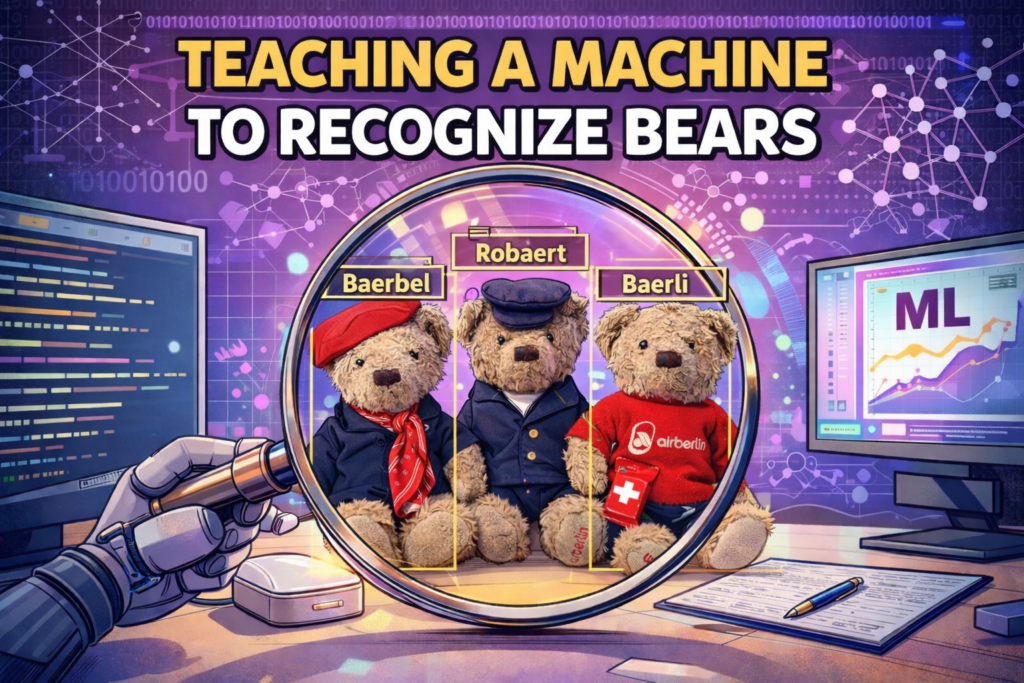
Teaching a Machine to Recognize Traveling Bears

This project did not start as an attempt to build a generic image recognition system or to benchmark computer vision frameworks. It started with three teddy bears that have been traveling with me since 2017. Over the years, they have accompanied me on flights, through airports, into hotel rooms, conference venues, cafés, and occasionally onto

Teaching a Machine to Recognize Traveling Bears Weiterlesen »

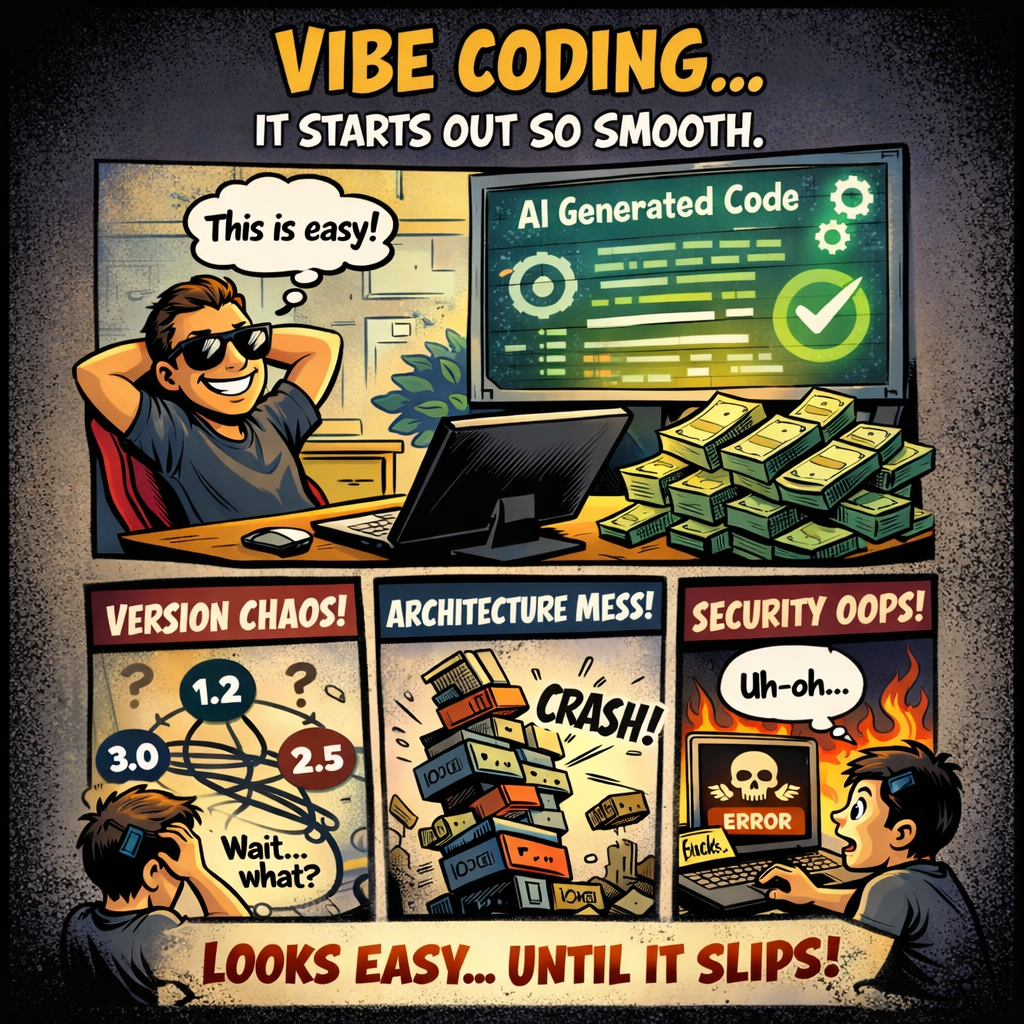
Vibe Coding: Why It Feels Productive and Why It Fails Engineering

There is a growing belief that software engineering has become an optional skill and a 20-dollar subscription with the right prompts can build complex systems without understanding architecture, versioning, security, or operational reality. Engineers, according to this narrative, are a bottleneck that can be removed. I am skeptical of claims like these, but I do

Vibe Coding: Why It Feels Productive and Why It Fails Engineering Weiterlesen »

Teaching a Machine to Clean Up My Document Chaos

This „project“ did not start with the ambition to build a generic document classifier or to compete with existing document management systems. It started with a much more personal and probably familiar situation. I wanted to explore whether machine learning could help me to organize my PDFs better. Not reminding me of deadlines or summarizing

Teaching a Machine to Clean Up My Document Chaos Weiterlesen »

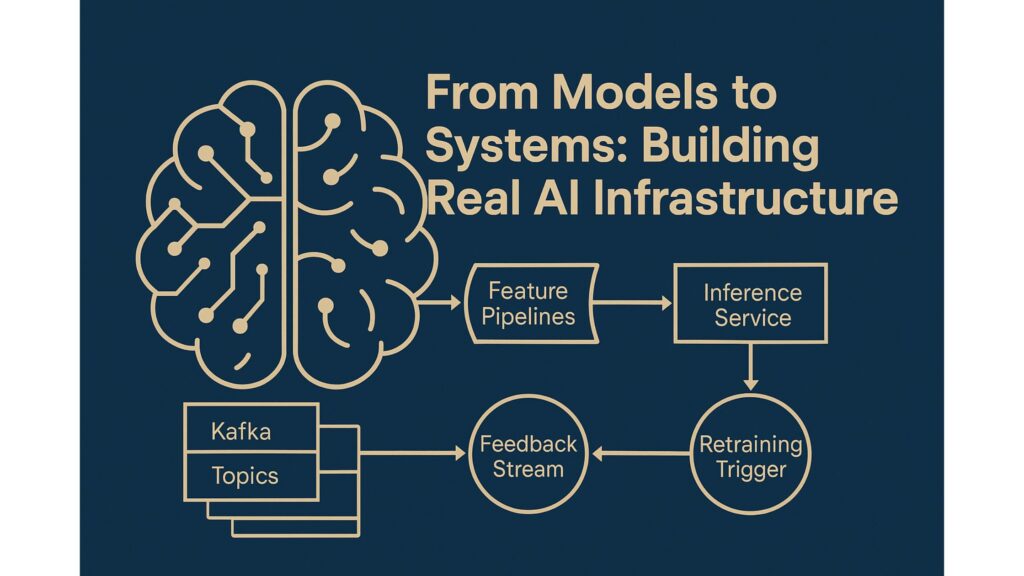
Part II: From Models to Systems: Building Real AI Infrastructure

How streaming, feedback, and governance turn algorithms into intelligence. In Part I, we established that a Large Language Model is not Artificial Intelligence. LLMs generate text but AI systems generate outcomes. Now we’ll look at what makes those systems real: data flow, feedback, and accountability. The Lifecycle of Real Intelligence A genuine AI implementation is

Part II: From Models to Systems: Building Real AI Infrastructure Weiterlesen »

AI Ethics: The 3 Critical Questions on Bias, Accountability, and Transparency

Artificial Intelligence is often presented as a technical breakthrough, but that is only half the story. The more interesting half starts when the model leaves the notebook, enters a workflow, influences a decision, and suddenly has consequences for people who never agreed to become part of an experiment. That is where AI ethics becomes practical.

AI Ethics: The 3 Critical Questions on Bias, Accountability, and Transparency Weiterlesen »